Balancing Screen Time & Homework during the Digital Age
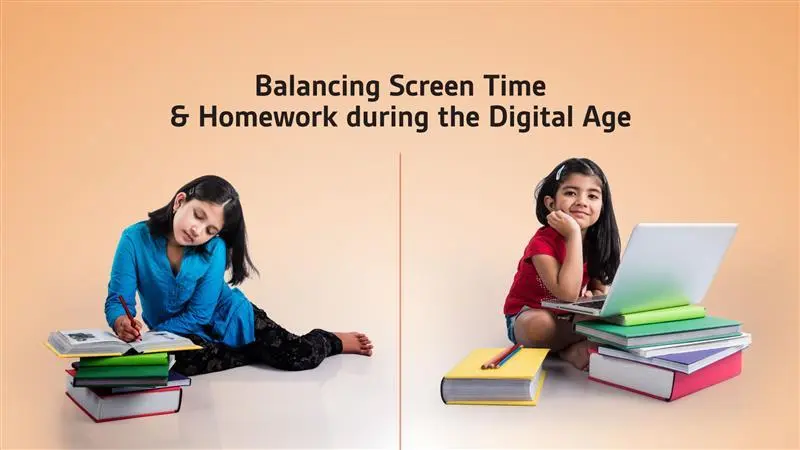
Parents and students everywhere in Hyderabad are met with a daily dilemma: achieving the perfect balance between homework and screen time in today’s increasingly digital world. At Birla Open Minds School, we know how easy it can get to lose track of healthy boundaries when it comes to using devices.
This guide is meant for families that manage homework routines with middle and high school students who require screens for learning but are not doing well with digital distractions. We’ll identify how to determine when screen time is hindering academic achievement and provide hands-on time management techniques that really work.
You’ll learn how to make digital resources homework buddies instead of distractions and learn easy strategies for establishing healthy screen time habits that serve your child’s learning needs.
How Technology Has Transformed Modern Education
Digital change has transformed classrooms across the globe, with schools such as Birla Open Minds School at the forefront of incorporating technology into everyday learning. Interactive whiteboards, tablets, and web-based learning platforms have taken over from static textbooks, providing engaging learning experiences that involve students in ways hitherto unimagined.
The Emergence of Screen-Based Learning Tools and Platforms
Educational apps, virtual reality simulations, and cloud collaboration tools now rule the learning landscape. Top schools in Hyderabad have adopted these technologies, giving students a window to world resources and customized learning paths that modify themselves to fit their learning style and speed.
Identifying Essential vs. Recreational Screen Activities
Students must distinguish between educational screen time and entertainment consumption. Essential activities include research, assignments, and educational videos, while recreational use encompasses gaming, social media, and streaming. This distinction helps students create balanced digital routines that aid academic success.
Sleep Pattern Disruptions and Their Impact on Learning
Blue light screen time at night interferes with natural sleep patterns. Students find it difficult to fall asleep, and compromised sleep quality affects memory consolidation, creative thinking, and emotional regulation directly. This results in a vicious cycle where sleepy students use screens more intensively for stimulation, leading to further worsening of sleep issues and academic performance.
Setting Clear Boundaries Between Study and Entertainment Screens
The most important aspect of screen time management is to ensure physical and virtual separation between work and play. Designate study areas where entertainment applications are being blocked or devices are being flipped into focus mode. Students tend to have a difficult time adhering to this boundary until they can differentiate between multiple devices or accounts for homework purposes versus playtime.
Employing Time-Blocking Methods for Homework Completion
Assign a dedicated time for each subject and adhere to those schedules like a religion. This strategy keeps homework from spilling over into entertainment hours and builds routine that combats fatigue.
Adopting the Pomodoro Technique for Concentrated Study Sessions
Split study sessions into 25-minute concentrated efforts with 5-minute breaks. This fights off digital distractions by making intense work feel achievable. Take a 15–30-minute break after four cycles to charge up before getting back to studying.
When used with intention and structure, technology can become a powerful support system rather than a distraction. By setting boundaries, managing time effectively, and prioritizing healthy habits, families can help students stay focused, motivated, and balanced in a digital-first world.
Related Articles

STRATEGIES FOR ACING HOMEWORK
Homework does not have to be stressful at all. You can get your homework completed quickly, be proud of what you have done, and even enjoy learning with good habits.
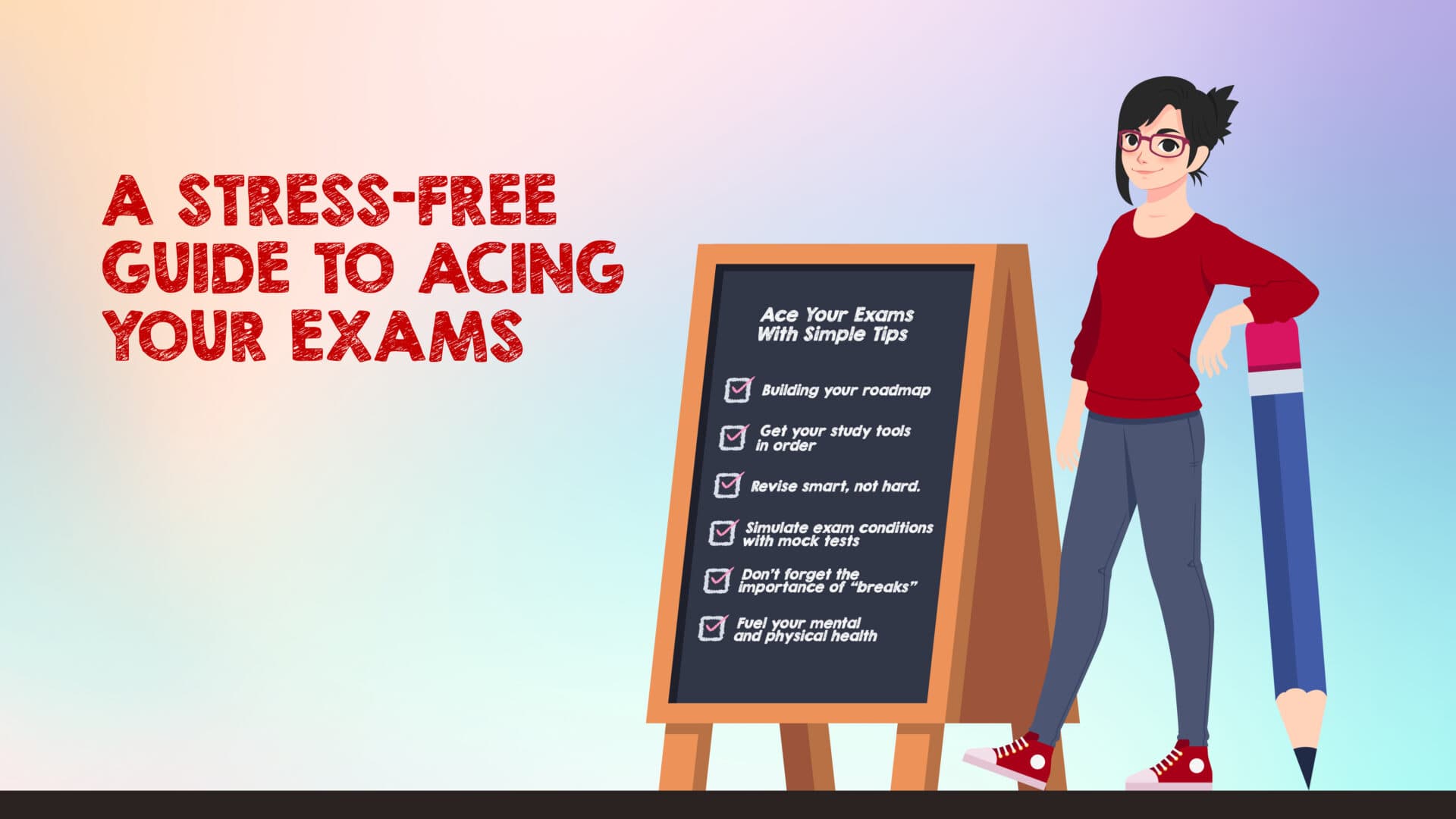
Ace Your Exams With Simple Tips
Exams season is almost here and it’s natural to feel a little strained and overwhelmed. No need to worry. With the right strategies, you can stay calm, focused, and perform your best.