Nurturing Young Minds: How Parents Can Support Early Childhood Development
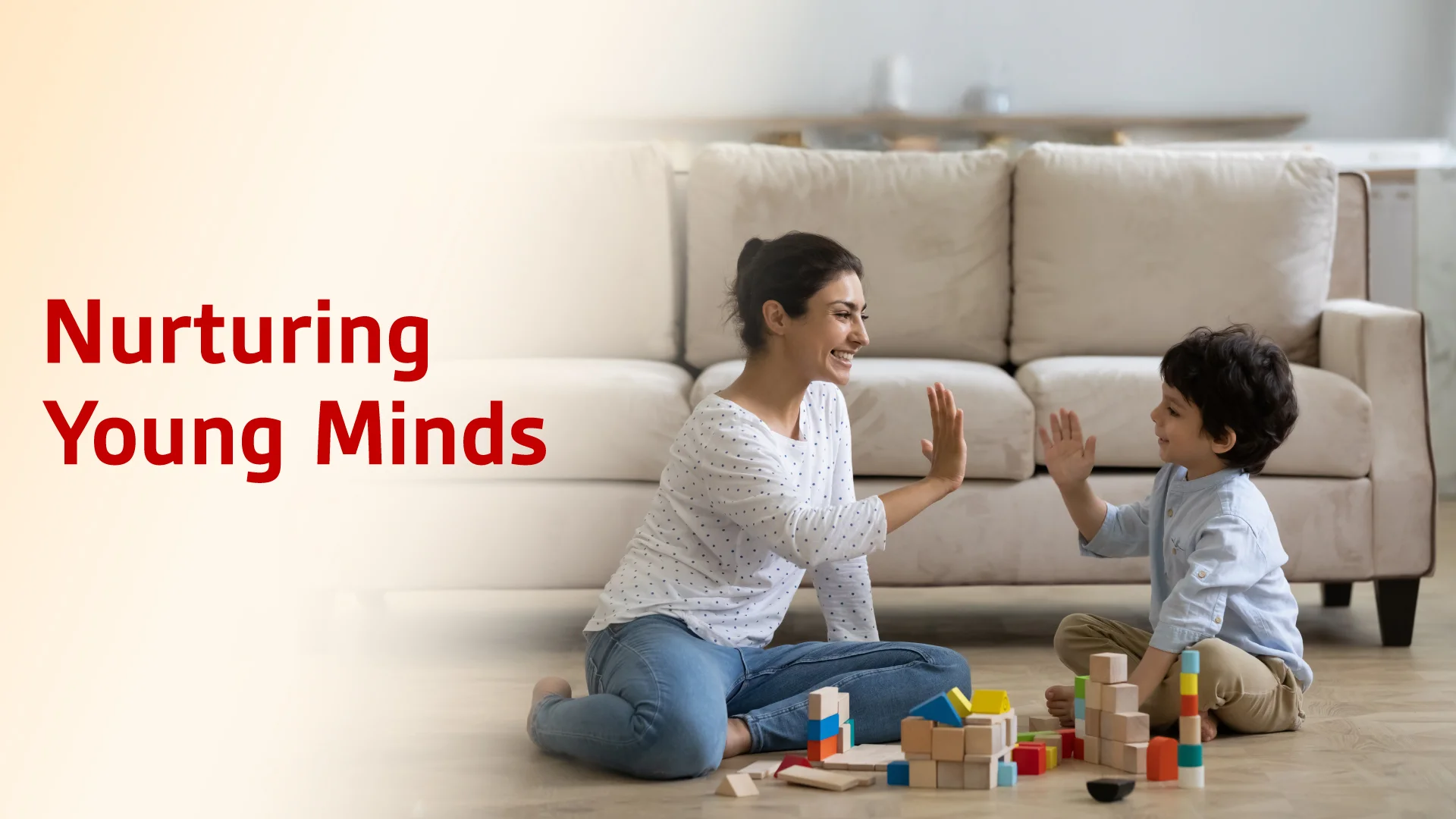
The first six years of a child’s life are the most critical for brain development, as it builds the foundation of cognitive, emotional and social development. During the early years, nearly 90 % of brain development occurs, shaped by the child’s environment and interactions from day-to-day living. To this end, parents create stimulating environments and meaningful experiences that guide children as they learn, adapt and build relationships in our modern-day society. Institutions like Birla Open Minds also emphasize the importance of these formative years, creating holistic learning environments that complement a parent’s efforts.
Engage Through Daily Conversations
Language development takes place when we interact. It does not matter whether you are communicating with your child in English, Hindi, or the mother tongue of the family – when you talk with your children every day, you are developing vocabulary, building understanding and processing emotional intelligence. The use of conversation, storytelling and discussing open-ended questions is one of the easiest ways to stimulate a child’s curiosity and confidence.
Encourage a Love for Reading
Reading is much more than teaching literacy – it develops imagination and critical thinking. Setting aside a daily time for reading, whether it is through picture books, bedtime stories or discussing real events of the day, allows children to visualize, interpret and create their own stories. Stories that are culturally based or have a moral lesson can also teach children about values and empathy.
The Power of Play
The past decade has been an informative time in understandings of play-based learning and its vital role in early child development. Activities such as building blocks, painting, pretending, and established games allow children to discover creativity, practice fine/gross motor skills, and unconsciously problem-solve. Free play especially, promotes self-discovery and helps them to learn about the complexities of the real world.
Building Structure and Emotional Resilience
Building daily routines offer children a sense of security and discipline. Shared family meals, bedtime routines, and assigned times for hygiene create the routines or habits that their little minds need to grow and become aligned with discipline. Equally important is teaching children emotional awareness, in that they can label their feelings and learn emotions without fear of lesson or burden of judgment. Schools such as Birla Open Minds also focus on emotional well-being and experiential learning to nurture confident, empathetic individuals.
Focus on Health and Well-being
Healthy eating, hygiene and sleeping habits are essential for healthy growth. Home cooked foods, handwashing practice, and chosen playful outdoor activities facilitate not only physical health but mental health as well. Offering these child-centred habits, helps children develop self-care and responsibility at an early age.
Quality Time Over Quantity
In an urban society that thrives on a fast-paced lifestyle, children appreciate attention more than all physical toys or screens. The value of quality time between child and caregiver can be as simple as spending a few exclusive, free play minutes together while talking or listening. This level of care helps to develop a parent-child connection and a child’s sense of safety and self-worth.
Early childhood development is shaped not by grand gestures, but by everyday moments of care, communication, and connection. When parents provide a nurturing environment filled with love, structure, and meaningful interaction, they lay the foundation for confident, emotionally secure, and curious learners.